Complete
Delivering construction projects on time and on budget is more than a cliché. You’ll find no loose ends upon project closeout with the Scope team on the job.

The final phase of a construction project is an important part of being a total project partner – we handle the detail of a project right through to closeout and beyond. Effective project management is an essential element of a project at this stage, where enforcing contracts and managing communication and timings becomes complex. Once the main contractor has completed their work and requested a Certificate of Practical Completion from the Engineer to the Contract (ETC), the Scope team and ETC completes a practical completion site inspection. Throughout the project we’ve worked alongside the contractor and subcontractors to collect producer statements and warranties, these important documents are submitted to the ETC for them to issue the Notice and Certificate of Practical Completion. Scope’s quantity surveyors manage the project’s final account and process final claims before managing financial retentions through the defects liability period. The ETC issues the Notice and Certificate of Completion when the defects liability period has expired.
Service detail
Communication
A key element of any successful project, we ensure the lines of communication are always open between clients, contractors and other parties.
Document Management
We take responsibility for collecting, collating, and verifying all critical handover documentation including producer statements, warranties, as-built drawings, and operation manuals. This comprehensive package gives you everything you need for the ongoing management, maintenance, and compliance of your new asset.
Notice and Certificate of Practical Completion
We conduct meticulous final inspections alongside the Engineer to the Contract to verify that all works are practically complete to the required standard. No certification is issued until we are satisfied the contractor has fulfilled their obligations.
Final Account Management
Our quantity surveyors manage the full final account process. They review the final claim, ensuring a fair and transparent financial close-out, managing retentions in accordance with the contract, and protecting you from any unwarranted charges.
Defects Liability Period
We proactively manage the defects liability period, ensuring the contractor is held accountable for rectifying any defects that arise after completion. Working alongside the ETC we track and enforce these obligations, ensuring your asset performs as intended and that contractual obligations are adhered to.
Final Completion Certificate
We manage the process leading to the Engineer to the Contract issuing the Final Completion Certificate which formally concludies the construction contract and provides a clear, final endpoint to the project.
Frequently asked questions
Project close-out generally happens in three stages:
- Practical Completion (PC) is issued once physical works are substantially complete and handover documentation has been received. Some minor completion items or defects may remain, recorded on a defects/punch list.
- Final Account is processed: often during the defects liability period this cover all outstanding financial matters.
- Final Completion Certificate is issued once all recorded defects and completion items have been addressed, formally concluding the contract and releasing any remaining retentions and bonds.
A Code Compliance Certificate (CCC) or Certificate of Public Use may also be required before Practical Completion can be issued.
A Certificate of Practical Completion is issued by the Engineer to the Contract (or Independent Certifier) when your physical works are substantially complete. Minor defects or incomplete items may still remain, and these are recorded on a defects/punch list. At this point, typically 50% of retentions are released, along with any performance bond.
A Final Completion Certificate is issued once all defects from the punch list, and any new defects arising during the defects liability period, have been addressed. Before issuing, the designated person will carry out a final inspection with the client (and any supporting consultants) to confirm all matters have been resolved. Once issued, the contractor is typically entitled to the return of all remaining retentions and any defects liability period bonds.
The Defects Liability Period (DLP) is a specified period after practical completion during which the contractor remains responsible for rectifying any defects. It is designed to allow enough time for the building to be in actual use and long enough to identify any systemic or workmanship issues that may not be immediately apparent.
During this period, retentions are withheld as an incentive for the contractor to address defects promptly. If the contractor fails to do so, the client has the right to use those retentions to have the work rectified by others. A defects liability period bond can provide similar protection. The DLP also means the obligation to find and fund remediation resources remains with the contractor, not the client.
Often the final account is prepared and completed during the defects liability period, with the outstanding release of retentions held until after final completion. If nothing has changed since practical completion, the final account will remain unchanged and is formally closed once the final retentions are released.
Retentions are usually released in two stages: approximately 50% at practical completion and the balance at final completion, following the issue of the Final Completion Certificate.
The documentation required at close-out varies depending on the project and the conditions set out in consents, drawings, and project specifications. It typically includes:
- As-built documentation
- Producer statements
- Warranties and guarantees
- Operation and maintenance manuals
- Training manuals (and in some cases, training sessions)
Scope will often facilitate a lessons learned workshop with the client, contractors, and consultants, this allows us to share insights from the project that can be captured and carried forward by everyone involved.
Related project partnerships
-
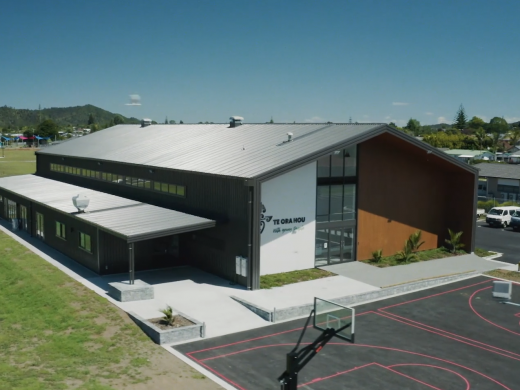
Te Ora Hou Community Facility
We knew this project was special as it would have an impact on many young people in the community.
-
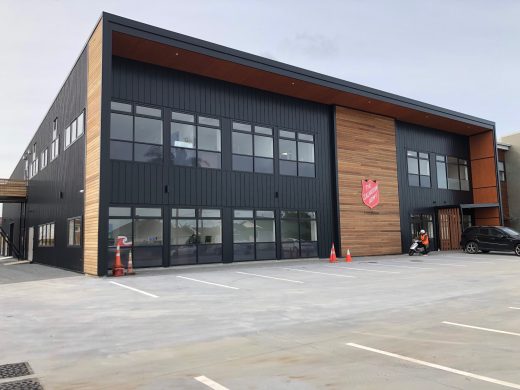
The Salvation Army – Whangārei
The Salvation Army's new headquarters in Whangarei includes a 300 seat auditorium and custom office and meeting room spaces.
-
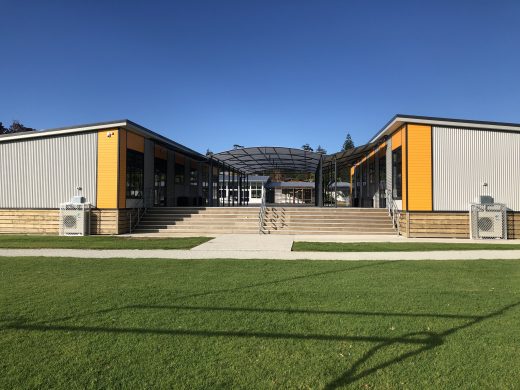
Morningside School New Classroom
Modular design gets children back into the classroom more quickly.
Related people
-
Ben Tomason
DirectorAn award-winning Senior Project Manager, Ben is known for his big-picture thinking.
-
Kamron Grant
Quantity SurveyorKamron is detail oriented, with an in-depth understanding of construction processes and associated costs.